
Canada Pooch!
We’re got an awesome selection of the best coats your pet needs now! Be ready for those early morning and late night walks this winter!

We’re got an awesome selection of the best coats your pet needs now! Be ready for those early morning and late night walks this winter!

Thyroid hormone in excess can be disastrous for our pets. It’s been responsible for a number of recalls – but do you know where it could be lurking?
This article highlights why it is important to know sourcing of your pet food (especially raw) and treats. Animals can consume too much thyroid hormone if things like the esophagus and trachea were not handled properly in slaughter. This is one of the reasons why NPP Does not sell or recommend raw trachea, or raw food products with raw trachea in them.

Kefir has gained recent popularity for pets, but is it all it’s cracked up to be? Science says it’s iffy. The reasoning behind that is that the most common commercial kefir products either did not have the bacterial species it claimed to have, did not have adequate population of those bacteria or the products were mislabeled. Some products even had spelling errors on their packaging!
The most concerning of all was that the website and packaging of many of these products made a wide range of health claims, none of which are supported by the companion animal literature. This doesn’t mean that feeding kefir to your pets is bad per se, but it DOES mean we need to hold pet food companies responsible to safe manufacturing and food handling practices!
https://academic.oup.com/jas/article-abstract/98/9/skaa301/5904066?redirectedFrom=fulltext

Do you let your pet kiss your face? We’re guilty! But we’ve heard some say this could be dangerous.
We were curious about where science stood on this behavior, so we consulted experts in both human and animal health to find out how bad it really is to let your pet kiss you on the mouth.
https://www.petnews.com.au/research/how-unsanitary-is-it-to-kiss-your-pet-on-the-mouth/

Welcome to our NEW weekly Newsletter I hope you love it and as are excited about it as we are – I’m Nicole Cammack, the founder and owner of NorthPoint Pets here in Cheshire, CT. We’ve been busy behind the scenes building you a new & functional website, designing this newsletter, getting our Jeep ready for making local deliveries & most importantly – helping you, the best customers we could ever ask for. While 2020 was a trying year, we’re thrilled to still be here supporting you and your pets – a commitment we will continue to have for many years to come. We hope that your commitment to supporting this local business and others within our community stays equally as strong.
When I founded NPP I never thought it would become what it has today, and we’re all so grateful to all of you who helped us get here. We strive to not be ‘just another pet store’ and instead take an evidence-based approach to the products we sell, recommendations we make and articles we write. While we are huge advocates for fresh food, and integrative approaches, we take pride in fostering an environment where all are welcome, regardless of your feeding philosophy. While this is certainly approach that has drawn criticism from others within the industry (simply because we don’t focus on sales) – we take great pride in doing the right thing and teaching pet parents every chance we get!
I am deeply humbled by all the support over these last several years, and for the opportunity to keep building our team. With your loyalty 2020 delivered us a major award: Being recognized as the #1 Pet Store in the U.S. by Pet Business Magazine. With this newsletter I hope it showcases our commitment to the science of nutrition and the advancement of health and wellbeing of all pets and people. If there is any topic you’d ever like us to cover in our NPP Journal or in this newsletter please email us at info@northpointpets.com.
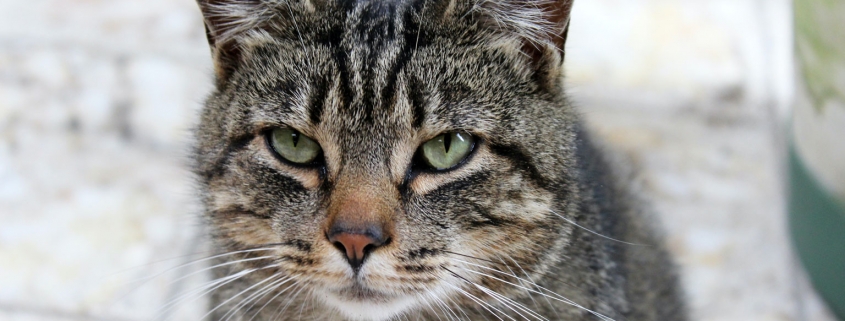
Though everyone might not agree on cats’ perfection, felines are among the most popular pets in the world today, with approximately 74 million cats living in U.S. homes.
The cat has long been important to human societies as a pest-control agent, object of symbolic value and companions. However, recent evidence from feline DNA shows they took their time domesticating themselves.

In classic 2020 fashion, online retailers have truly disrupted the livelihoods of small business owners and the communities they serve – this is especially true for the pet industry. Unknowingly, pet owners are missing out on exclusive independent only products such as treats, food and toys. As a result of online ordering and home delivery gaining popularity we determined it was necessary to offer personalized delivery to our customers who have supported us through all these years. Instead of simply shipping items, we opted to instead perform deliveries ourselves providing more control and personalization to the process!
Orders can be placed by simply calling 203-271-0111 (Yes, you can speak to a real human!) or even by going to our ONLINE STORE (please link this). We’ll be happy to hand pick your exact shopping list, or even personally shop for thoughtful treats and toys. Our team is well trained and experienced to make the perfect recommendation to help keep your pet happy, entertained and you stress-free!
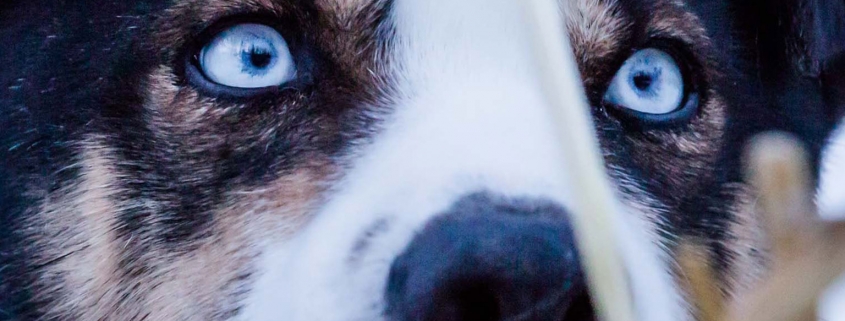
There has always been debate about how and what dogs and cats can see. The reality? Dogs & cats don’t see as clearly as humans, and they’re lacking in the color department. However, they can see movement better than we can.
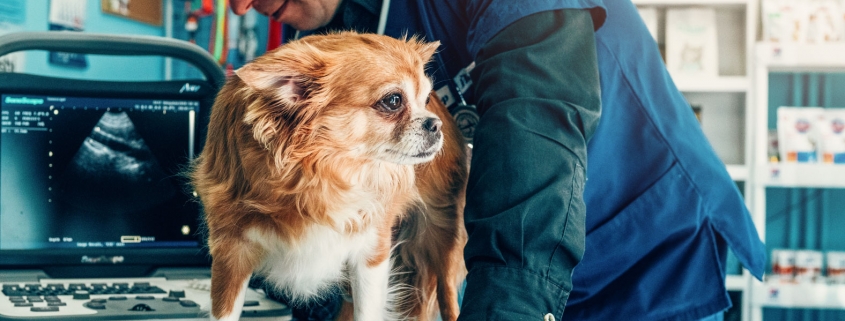
One Health is an approach that recognizes that the health of people is closely connected to the health of animals and our shared environment.
The World is changing, COVID has accelerated that change in countless ways. I believe that the unprecedented collaboration between disciplines and scientists from all over the world will be looked at as one of the most incredible feats in our modern world. My hope is that this collaboration (and open access to scientific literature) continues and inspires other professionals to integrate their practices and their knowledge to work together to improve the lives of humans, animals and the environment. In fact, there is something called the One Health Initiative which aims to do just that.
So, what does this mean for us and our pets? What does it mean for nutrition? The reality is that there are numerous research gaps when it comes to nutrition, and even more when it comes to companion animal nutrition. The environment and how we interact with it also has a significant impact on the health of all living things. Much of the research we rely on for canine and feline supplementation, or management of disease is rooted in human research.
Many medical and nutrition professionals have recognized these significant gaps in human and animal medicine and nutrition. Livestock nutrition is arguably the most advanced of all nutrition sciences, followed by human nutrition, and it is frustrating to see the lack of knowledge sharing & collaboration between those and companion animal fields. This is a significant issue because it leaves treatment gaps for canines and felines such as cognitive dysfunction, allergies, gastrointestinal issues, diabetes, heart disease and more.
The One Health Initiative has provided individuals in many disciplines to collaborate and advance multiple fields of science to study and advance knowledge of zoonotic diseases, antimicrobial resistance, food safety and security and environmental factors. We look forward to providing updates and perspective on this initiative in the future.
The One Health Initiative provides opportunity for collaboration between veterinary and human physicians and researchers to advance both fields.
Source: https://onehealthinitiative.com/about/[vc_single_image image=”3888″ img_size=”600×427″ onclick=”custom_link” link=”https://onehealthinitiative.com/about/”]
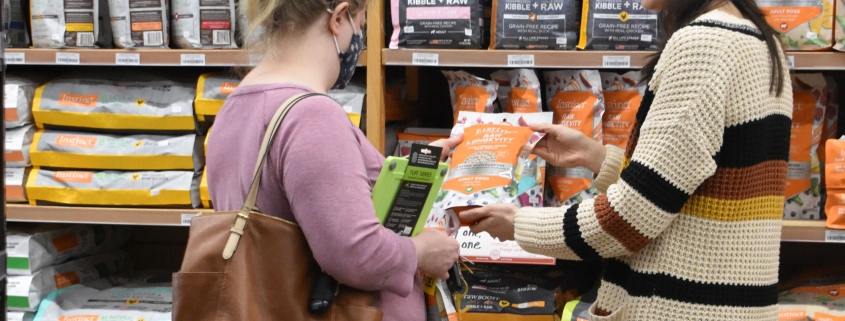
The benefit and necessity of grain-free pet food have come under scrutiny in recent years due to an FDA investigation due to a potential association with a canine heart disease known as dilated cardiomyopathy (DCM). As a result of this potential association, many have been told there is no scientific evidence to support the use of grain-free foods in canines and felines, or that these foods do not provide any benefit over grain-inclusive foods. For the most part, grain-free refers to kibble, although some have also categorized various canned, freeze-dried, and raw diets under the ‘grain-free’ umbrella. But are these claims accurate? Let’s find out:

The pet food industry’s switch to grain-free was not fueled by a problem with the grains themselves or grain allergies like most believe. The largest pet food recalls in history was due to melamine and cyanuric acid contamination of ingredients coming from China. The short version of the 2007 recall is that wheat gluten and rice protein were intentionally combined with melamine for its high nitrogen content. Higher amounts of nitrogen can cause the protein content of an ingredient to test higher than it actually is. Since cyanuric acid was present, and the combination of melamine and cyanuric acid is likely the reason the recall was so deadly – not the melamine on its own. This series of events fueled the consumer trend of wanting grain-free pet food.
Another major factor absent from the discussion on grain-free vs. grain inclusive diets for people – and pets – is the contamination of grains with herbicides, pesticides, mycotoxins, and fertilizers. This has become an increasingly large concern since the mid-’90s in both the human and animal food supply. Numerous peer-reviewed articles are detailing the disruption many of these agricultural contaminants have on normal gut bacteria function.1,2 In fact, available literature suggests that humans are becoming increasingly intolerant to grain and grain products for exactly these reasons (e.g. wheat & gluten sensitivity & celiac disease in humans).
We are learning that disruption of vital gut bacteria balance can have devastating effects on the health of the host, including diabetes, obesity, autoimmune disease, cancers, GI issues, and even DCM.3–5 Could the contamination of grains in pet food be one reason why many pets experience improvement of various issues with the change from grain-inclusive to grain-free? Could be.
Ultimately the phrase ‘there is no evidence to support the use of grain-free foods’ doesn’t mean there is not a benefit. It simply means that we have a major gap in research into companion animal nutrition and that we easily forget our recent history. On the contrary, we don’t have evidence to support that feeding grains to canines or felines are any more healthful than feeding grain-free diets. Evidence only shows that it meets minimal (known) nutritional standards, not that pets thrive on these processed diets. In short, canine and feline nutrition fields are far behind the knowledge we have in livestock and human nutrition.
Many veterinarians and pet owners automatically lump grain-free cans, fresh food, raw food, and freeze-dried products as ‘grain-free’. While this is technically correct – there are stark differences that make these foods different from their kibble counterparts.
Regardless of whether we are feeding grain-free or not, we need to consider the high temps kibble and canned foods are heated to during the manufacturing process. This high heat creates Maillard Reaction Products (MRP) which is the name for a series of reactions that is the product of sugar (carbohydrate) and protein when heated. These are also known as AGE’s or Advanced Glycation End Products.
MRP’s are responsible for the nutrient loss and associated with diseases like diabetes, cardiovascular disease, kidney disease, loss of cognitive function, allergies, periodontal disease, and chronic inflammation.6–12 This can mean things like arthritis, skin, and ear issues, an old injury that keeps resurfacing, bloating, IBS, etc. Also, there is a large amount of research to suggest that they are carcinogenic and accelerate aging.13,14
Pet food can be made of everything from rendered unfit foods for human consumption to ingredients that are 100% organic and probably better than the food we feed ourselves. I’m not necessarily here to split hairs on ingredients and in the types of ingredients that are in our pet’s food. Because is it these ingredients that are causing the problem? Or is it something else? – These are the questions that the experts seem to avoid entirely. When a dog experiences issues related to food, we are quick as a society to turn over the bag and blame an ingredient or set of ingredients. However, those ingredients as listed are likely not the problem – rather the quality, processing agents, AGE’s and contamination of these ingredients (e.g. herbicides, pesticides, etc.); something you will never find listed on a label.
The digestibility of food is altered as it is processed, mixed with other ingredients, and heated. That said, canned and kibble foods by definition will have varying levels of nutrient availability and digestibility than their lesser processed counterparts. The ingredients (or set of ingredients) that make up a food could be the most nutrient-dense food available – but if they are not digestible by the cat or dog then those ingredients are irrelevant. In short, this means that it is important to ask your pet food company for their digestibility and nutrient analysis to determine if their food is adequate for your pet. Learn more about what questions to ask and why here.
Nicci is the owner of award-winning NorthPoint Pets & Company, in Connecticut. She is also the Founder & CEO of Undogmatic Inc. Her undergraduate and graduate education includes biology, chemistry, business, and nutrition. She has worked in the pharmaceutical industry on multiple R&D projects and has had the privilege to learn from leading international figures in the human and pet health industry. She regularly lectures at national conferences, including federal, state, and municipal K9 events. Her current research involves identifying pathogenic risk factors and transmission among raw fed pets through a comprehensive worldwide survey.

DIY Dog Wash closes one hour prior to store close.
Newsletter Sign-Up
Subscribe to get weekly tips, seasonal advice, and be the first to know about events, new products, sales, and more.
