
‘Voluntary’ Pet Food Recalls are NOT Voluntary

A Brief History of Deadly Pet Food Recalls

Many pet owners, retailers and veterinarians believe that ‘voluntary’ pet food recalls show that pet food companies have caught problems as a result of quality and safety checks. However, this is mostly false. In fact, some of the largest and most dangerous pet food recalls were not caught by the pet food manufacturer – and instead a regulatory authority. So why are these recalls labeled as ‘voluntary’?

Meriam Webster’s definition of Voluntary is as follows:

Voluntary (adj.):

 1: proceeding from the will or from one’s own choice or consent 

 2: unconstrained by interference

The Truth About Voluntary Pet Food Recalls

When it comes to pet food; however, many pet food recalls are not a result of the manufacturer finding a problem (e.g. mis-formulation, toxicant, etc.) like most people believe. In fact, some of the largest ‘voluntary’ recalls were not in fact voluntary even though that word is often used with FDA announcements and manufacturer press releases. 

The truth is that most ‘voluntary’ pet food recalls are indeed forced, usually by a state department of agriculture and/or the FDA. In order to determine if a recall was truly voluntary you have to read the FDA announcement as well as put a few pieces of the puzzle together. The problem is that most consumers, retailers and even veterinary professionals are completely unaware that most of these recalls are not voluntary. What is worse is that many seem to believe that if a company issues a ‘voluntary’ recall it somehow absolves them of any wrongdoing – even if the problem was truly their fault. In short, voluntary recalls DO NOT mean that the manufacturer caught the problem – it usually means that some other regulatory agency (state department of agriculture, FDA and/or CDC) was made aware of an adulteration or illness and is forcing the manufacturers hand. Usually if a manufacturer fails or refuses to cooperate then involuntary recalls or FDA advisories and press releases are issued, but they are rare. An example of such an incident would be the Answers Pet food recall involving Salmonella detected in their straight beef formula. In this case the FDA issued an advisory because Answers (Lystn, LLC) recalled the affected lot in Nebraska, but did not implement a nationwide recall.

So how do you do know where to look to determine if a recall was really voluntary? And how do you know where to look? 

Let’s look at some examples in recent pet food history:

Diamond Pet Food ‘Voluntary’ Recall (Salmonella): 

April 6, 2012 was the initial announcement of a ‘voluntary’ Diamond Pet Food recall due to detection of Salmonella. This is because the pathogen was detected by the Michigan Department of Agriculture & Rural Development on April 2nd, 2012. While the FDA announcement and media outlets labeled this as ‘voluntary’ it surely was not. Ultimately a CDC investigation, in collaboration with other agencies, used DNA fingerprinting of a Salmonella strain infecting humans to ultimately trace it back to a specific Diamond Pet Food manufacturing facility. In other words, Diamond did not detect the Salmonella pathogen on their own simply because they were not adequately testing inbound ingredients and outbound products. Additionally, Diamond was not keeping adequate records regarding ingredient tracing, manufacturing schedules, cleaning schedules or retaining properly labeled samples of products manufactured. In other words, this could have been prevented if they followed proper procedure. As a result 49 human infections of Salmonella Infantis and over 50 pets sicked and at least 6 pet deaths.

This recall expanded to numerous expansions of brands made by Diamond including Diamond Naturals, Taste of the Wild, Kirkland, Solid Gold, Wellness, Natural Balance, Canidae just to name a few. However, foods manufactured but sold under different brand names were not recalled until after the CDC reported the outbreak of human illnesses which also were reported in Canada. Which should have been a lesson for other manufacturers to do their due diligence.

 Evanger’s Pet Food ‘Voluntary’ Recall (Pentobarbitol):

February 3, 2017 was the initial ‘voluntary’ recall of what would be multiple Evanger’s canned pet food products due to adulteration with pentobarbital – a euthanasia drug. Initial reports of ill dogs surfaced at the end of 2016, although it took over a month for the ‘voluntary’ recall being issued. Expansion of the recall was announced on March 2, of 2017 that included all ‘chunk’ beef canned products made by the company. Another problem being that Evanger’s is a co-manufacturer – meaning they made canned pet food for other brands leading to this incident and previous incident possibly effecting other brands. This recall was also not ‘voluntary’ as Evanger’s did not detect the pentobarbital, and it’s also important to note they delayed recalling additional product. It doesn’t stop there though, because the ‘adulterated’ product actually turned out to be horse meat and not beef.

Taking a trip down memory lane, Evanger’s has had significant and widespread sanitary and food handling problems at their facility dating back to 2006. This was evidenced in citations and a lawsuit filed by the Village of Wheeling which resulted in restitution payments. Further, other significant problems were regularly in the news from 2008-2017 surrounding both Evanger’s products and illegal business activity. These issues included Fair Labor Standards Act violations, utility theft, theft and money laundering. On the product front further citations, FDA inspections, permit suspensions, warning letters for sanitary conditions, adulterated products, misbranded products and contaminant recalls. This long chain of issues was rounded out by the 2017 pentobarbital contamination incident. 

Hill’s Pet Nutrition (Science Diet) ‘Voluntary’ Recall (Excess Vitamin D) –  

January 31, 2019 Hill’s ‘voluntarily’ recalled numerous lots of canned pet food due to toxic levels of vitamin D. Ultimately two additional recall expansions were also released on March 20th, 2019 and again on May 20th, 2019. This recall turned into one of the largest pet food recalls worldwide with over 22 million cans of pet food involved, and likely a large number of pets that became sick or died. The incident involving Hill’s was also not ‘voluntary’ because they did not detect the problem themselves, and in fact the FDA found Hill’s failed to follow their own safety and quality control procedures even though Hill’s attempted to place the blame on the ingredient supplier. The FDA issued a warning letter to Hill’s with highlights as followed:

  • Pet food contained vitamin D at levels in excess of 33 times the recommended safe upper limit, which classifies the food as adulterated
  • Hill’s failed to follow their own procedures to ensure that inbound ingredients such as Vitamin D were safe, and at proper levels for their formulation considering Vitamin D excess is a reasonably foreseeable hazard.
  • The FDA noted that Hill’s proposed ‘corrective actions’ because most were already preexisting procedures that they failed to follow in the first place resulting in the recall. 

In short – even though Hill’s Pet Nutrition is touted to be ‘one of the best pet food companies’ by organizations such as the American Veterinary Medical Association and other vet groups because of their research and development into pet nutrition, publication of peer reviewed papers and for employing veterinary and PhD nutritionist – those ‘attributes’ can’t save them if they don’t follow their own food safety, quality and formulation procedures!

Sunshine Mill’s ‘Voluntary’ Recall (Aflatoxin) –  

On September 2, 2020 Sunshine Mills, manufacturer of several brands of pet food issued the first wave of recalls due to dangerously high levels of aflatoxin. On October 8th, the second announcement expanded the 

recall to 18 brands that Sunshine Mills produced. Again, this recall was not ‘voluntary’ and was initiated after the Louisiana Department of Agriculture found elevated levels of the contaminant during routine testing. The department then issued a stop sale order on the product in the state of Louisiana, which then triggered the ‘voluntary’ recall by Sunshine Mills.  This again is another example of a company either not testing inbound ingredients and/or outbound product for safety and adequacy. This is yet another example of a large recall that also could have been prevented!

Midwestern Pet Foods ‘Voluntary’ Recall (Aflatoxin)

Most recently on December 30, 2020 Midwestern Pet Foods ‘Voluntarily’ recalled several SportMix dog and cat foods due to dangerously high levels of aflatoxin. Note that this date is not too long after the Sunshine Mills recall, which should have been a clue to pet food manufacturers to ensure they were adequately testing their products and ingredients for safety and adequacy. In addition, Neogen releases contaminant reports for agricultural crops each week and because of these reports the industry was well aware of aflatoxins present from corn crops in various regions of the country. Aflatoxin, along with other common agriculture contaminants were present due to various conditions tied to the growing season. Given the Sunshine Mills recall likely from the same 2020 corn crop, Midwestern Pet Foods should have been even more aggressive in testing inbound ingredients (as should other companies using corn).

It’s likely that Midwestern Pet Foods was not inbound testing their ingredients for aflatoxin and/or outbound testing their final products. The larger problem is that Midwestern Pet Foods has indicated in the past that they do perform these types of early 2 weeks later on January 11, the recall was expanded to include well over one-thousand (1,000) lots of pet food, and additional brands. To date over 70 dogs have been reported dead and over 80 ill – which is likely to expand. Again – another deadly event that was completely preventable!


Summary: 

At this point you’ve probably realized a common theme – all companies were either not following their own established food safety procedures, or any quality control checks at all. You also likely noticed that none of the above companies caught their own issue – they were all discovered by outside agencies. This means that companies had released product into the marketplace without adequate food safety checks which resulted in numerous pet deaths and illnesses, and some even resulting in human illnesses. In addition, all companies issued expanded recalls, which further solidifies the point that these companies did not have or were not following sufficient quality control measures to ensure safety of their products nor knew the impact of the adulterated products in the marketplace.

A Key Takeaway

The major point is that these were ALL preventable.  If they the companies were testing inbound ingredients for aflatoxin or vitamin D the ingredients would have never enter their manufacturing facility.  If they had positive release programs for pathogens like Salmonella, the foods would have never left their facility.

What all of this means is that pet food companies that do not have such measures in place are essentially playing Russian roulette with your pet’s health and safety (and sometimes your own health). It’s our responsibility as pet owners, retailers and veterinarians to contact our pet food manufacturers and ensure that they have appropriate procedures in place and that they follow them. When they do not follow the procedures and issues arise, we need to know why and what they are doing to prevent it again.  We are human, mistakes happen.  When they cannot explain or chose to ignore the questions we ask, why should we feed or sell their foods?  The days of pet food companies lacking transparency in their ingredient sourcing and quality control are over – or at least they should be if we demand it.

About the Author: Nicole Cammack

Nicci is the founder & owner of award winning NorthPoint Pets & Company, in Connecticut. She is also the Founder & CEO of Undogmatic Inc. Her undergraduate and graduate education includes biology, chemistry, business and nutrition. She has worked in the pharmaceutical industry on multiple R&D projects and has had the privilege to learn from leading international figures in the human and pet health industry. She regularly lectures at national conferences, including federal, state, and municipal K9 events. Her current research involves identifying pathogenic risk factors and transmission among raw fed pets through a comprehensive worldwide survey.
www.northpointpets.com

www.undogmaticinc.com

Recalled Pet Food: Aflatoxin

Must Read: Aflatoxin Pet Food Recalls

The recall of SportMix dog and cat foods may impact you even if you’re not feeding the food being recalled.

UPDATE: JANUARY 25, 2021

The FDA released an update which indicated the recall has expanded internationally. Further, based on the number of reported deaths and illnesses as of this date this is likely the largest documented aflatoxin recall within the pet industry.

UPDATE: JANUARY 11, 2021

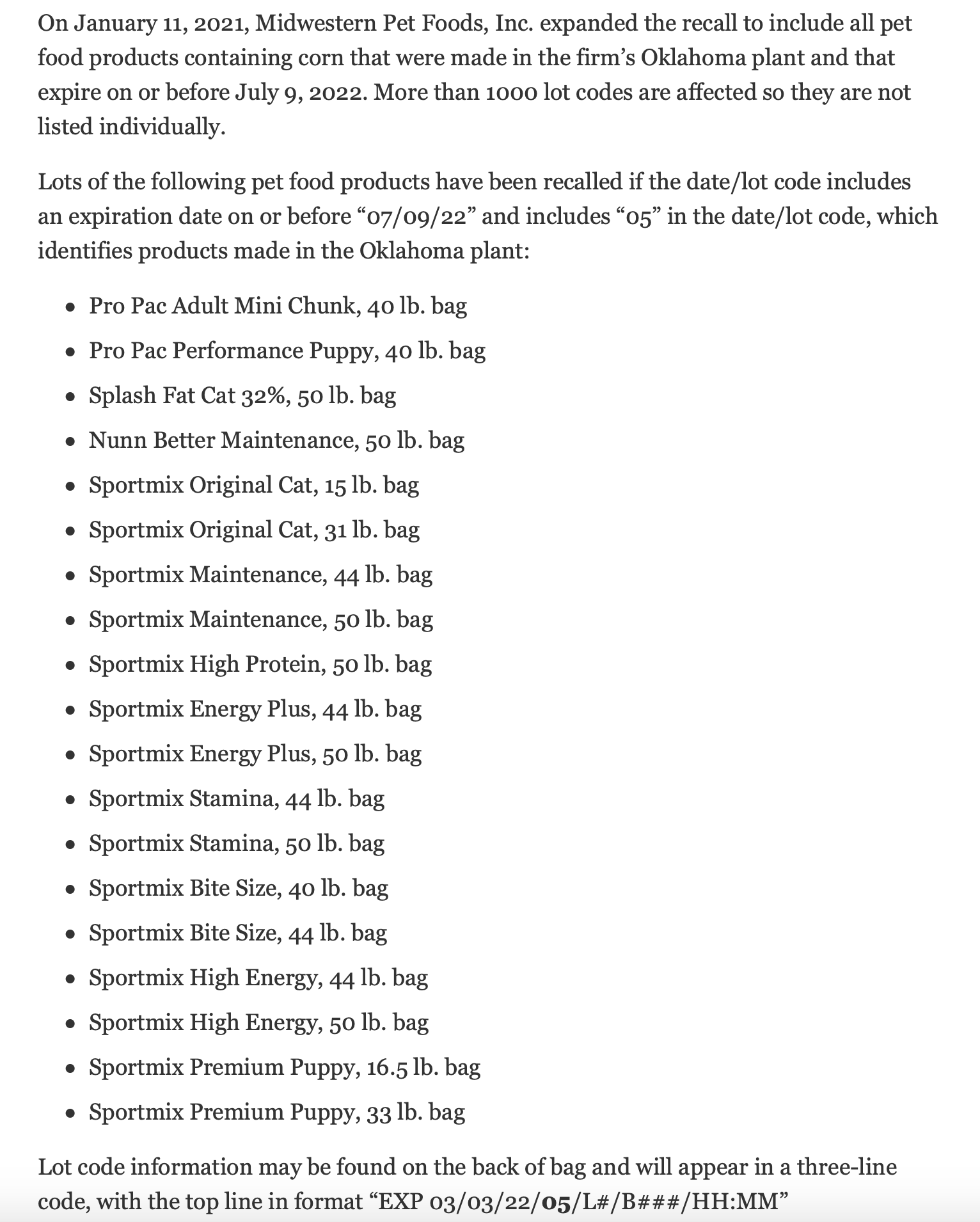
The FDA released an update on the original recall announcement adding over 1,000 lots of pet food manufactured by Midwestern pet. Affected foods were made in their Oklahoma facility. More than seventy deaths have been reported with an additional 80+ pets ill.

This recall indicates there are some clear quality control issues within Midwestern Pet’s manufacturing operations. As foreshadowed in the original article below, it likely meant that they were not inbound testing their ingredients for safety and adequacy. Midwestern was likely not outbound testing their final product for safety and nutritional adequacy either. The recall expansion supports this and we can expect the number of reports of ill pets to increase, as well as further expansion of this recall.

ORIGINAL ARTICLE: JANUARY 1, 2021

Recently a recall of SportMix dog and cat foods due to ‘potentially fatal levels of aflatoxin’ was announced by the FDA & Midwestern Pet Foods. SportMix is manufactured by Midwestern Pet Foods who also makes well-known brands Earthborn, ProPac, Venture, Wholesomes, CanineX and most recently their ancient grain food Unrefined. The first FDA update indicated 28 dogs reported dead, and at least 8 more ill, with 70+ ill and 80+ dead as of the second announcement. It’s likely the FDA announcements will result in more reported cases.

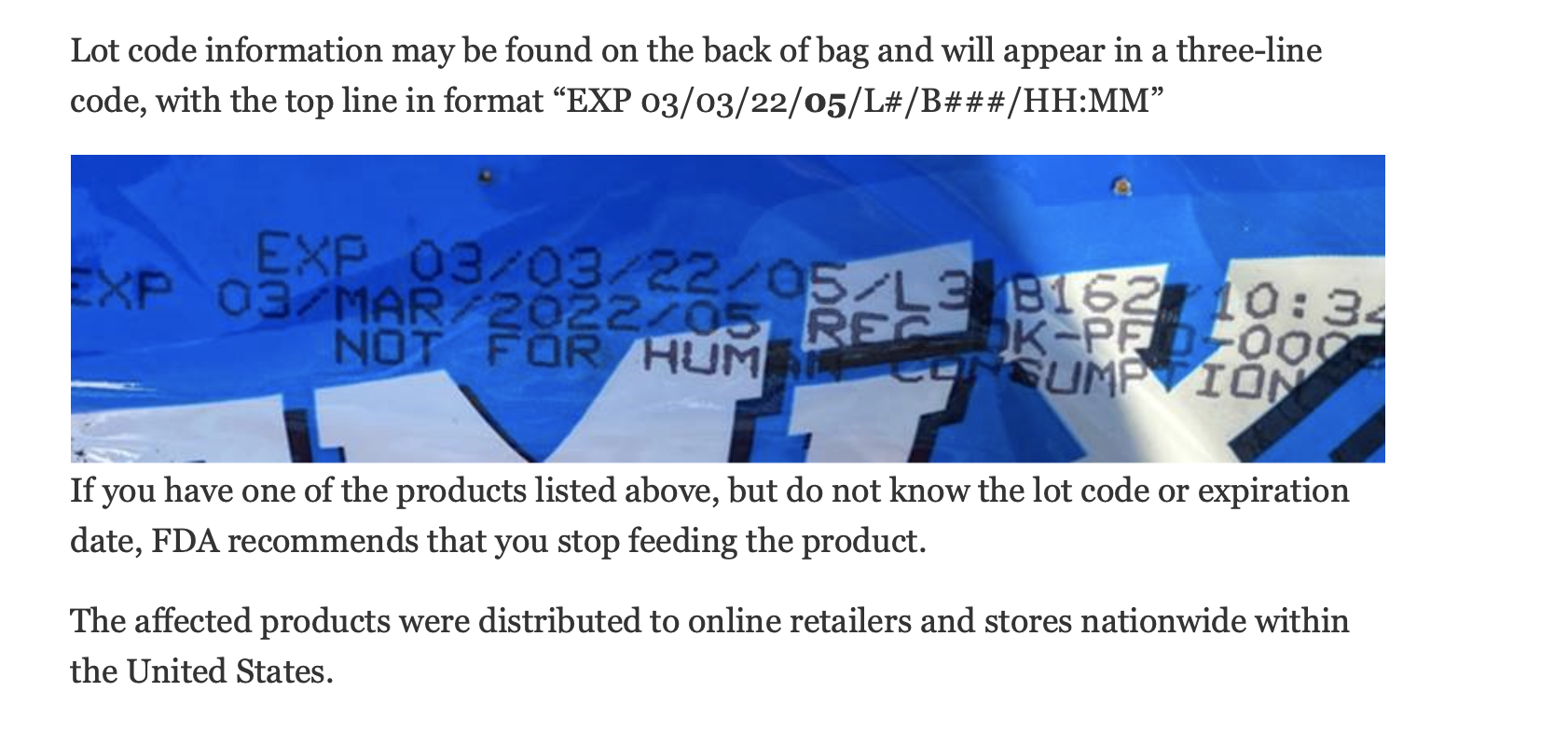
If you are feeding SportMix, you can check the most recent FDA announcement for lot and date codes to see if your food has been recalled. If your pet is ill, be sure to contact your veterinarian right away. You can learn more about filing a Pet Food Complaint with the FDA here: Report A Complaint.

The recall was prompted when the Missouri Department of Agriculture tested multiple SportMix products which contained very high levels of aflatoxin. Currently, the Missouri Department of Agriculture and the FDA are investigating the incident to determine how and why the foods contained such high levels of aflatoxin.

What Is Aflatoxin?

Aflatoxin is produced by a mold Aspergillus flavus. Aflatoxin is dangerous at high levels, although low levels exist in common foods we and pets eat. These foods include nuts and grains (including ancient grains!) such as peanuts, and corn. In pet food, the most common culprit is corn, however numerous recalls have been announced over the years for a variety of human and pet products.

The FDA states that pets are more at risk of aflatoxin poisoning because they do not eat a varied diet like humans do. In other words, the cumulative effect of eating food with already high levels of aflatoxin makes the situation worse.

What symptoms should I look for?

The FDA States:

“Pets with aflatoxin poisoning may experience symptoms such as sluggishness, loss of appetite, vomiting, jaundice (yellowish tint to the eyes, gums or skin due to liver damage), and/or diarrhea. In some cases, this toxicity can cause long-term liver issues and/or death. Some pets suffer liver damage without showing any symptoms. Pet owners whose pets have been eating the recalled products should contact their veterinarians, especially if they are showing signs of illness.”

Why this recall should concern you:

Aflatoxin at dangerously high levels in pet food is preventable from a manufacturing standpoint. If a manufacturer is testing their inbound ingredients and outbound testing their final product, dangerously high levels of aflatoxin should never make it to the marketplace. The fact that it has been found in 9 different lots of pet food is concerning and raises several questions:

Was Midwestern inbound testing their raw ingredients to ensure that they were safe? In this case, it is likely that the ingredient containing the aflatoxin was corn.
Note: The past year there were agricultural reports indicating high levels of aflatoxin in some crops, meaning that if Midwestern was purchasing from these regions they should have been testing for aflatoxin, and other contaminants more frequently.
Was Midwestern outbound testing their final products to ensure that they were safe and nutritionally adequate?
What types of quality control does Midwestern have in place to prevent problems like this from occurring?
What steps does Midwestern take to clean machinery and storage containers in an effort to prevent cross contamination to other products made in the same facility?
What other products were made in this facility during and after the recalled product was made?
Does Midwestern hold a sample of each lot of food produced so that it may be tested if issues arise such as this?

Another Lesson?

The recall of SportMix dog and cat foods is another lesson to both retailers and pet owners that it is important to ask questions of the brand of food you feed your pets. You can learn more about those questions here. I am well aware of many who think that I’m being unreasonable when asking the questions I ask, or pushing for changes in regard to food safety and nutrition adequacy testing – but the reason why I do it is because things like this are PREVENTABLE. Sure, implementing nutritional adequacy testing is inconvienent if you’re a manufacturer – but it’s worse when pets get sick or die because you didn’t implement that testing. As a retailer it’s inconvenient to have to constantly reach out to pet food companies – but it’s worse when a pet experiences a problem because I didn’t do my homework. It’s clear that many companies do not check all the boxes, but I can do my best to support companies that are doing their best to improve. I can also educate my clients and customers on who does and does not have certain safety/nutritional adequacy measures in place. I can also tell them who refuses to answer questions!

Simply said, knowing what quality control measures a manufacturer has or does not have can make a world of difference. While we don’t know if this recall will be expanded to other lots, or even brands – it is not out of the realm of possibility. For example, if Midwestern truly did have one batch of a contaminated ingredient such as corn, and does have proper quality control measures in place (e.g. proper cleaning of machinery and storage containers to prevent cross contamination) then other products may not be affected. If they do not have adequate measures in place (or failed to follow them) it is possible other products will be affected.

In either case, the question still remains: how did the contaminated food end up in the marketplace to begin with? Was it because they were not inbound testing raw ingredients, or outbound testing the final product or both? We’ll have to wait and see.

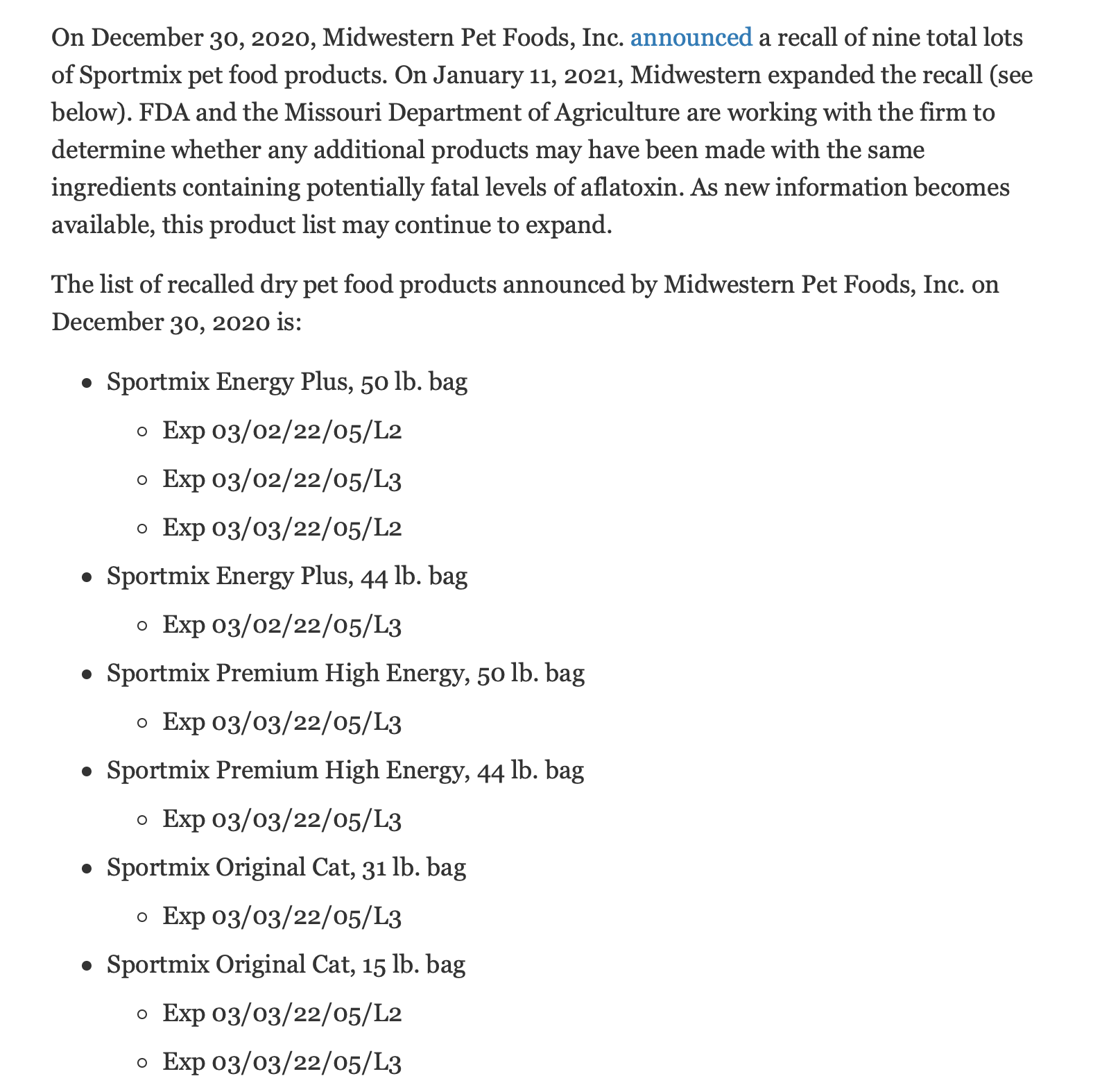
Original Recalled Products: Date accessed: 11 January 2021 https://www.fda.gov/animal-veterinary/outbreaks-and-advisories/fda-alert-certain-lots-sportmix-pet-food-recalled-potentially-fatal-levels-aflatoxin

Second Recall (January 11, 2021) Date accessed: 11 January 2021 https://www.fda.gov/animal-veterinary/outbreaks-and-advisories/fda-alert-certain-lots-sportmix-pet-food-recalled-potentially-fatal-levels-aflatoxin

Date code example: Date accessed 11 January 2021 https://www.fda.gov/animal-veterinary/outbreaks-and-advisories/fda-alert-certain-lots-sportmix-pet-food-recalled-potentially-fatal-levels-aflatoxin

Raw Feeding Veterinary Society

There is a dedicated team of veterinarians that advocate for the safe, responsible feeding of fresh, raw food for dogs and cats. These vets and other professionals are members of the Raw Feeding Veterinary Society (RFVS). Nicci is also a member of this organization as well and you can learn more about the RFVS here: https://rfvs.info/about-us/

One Health Initiative

One Health is an approach that recognizes that the health of people is closely connected to the health of animals and our shared environment. 


The World is changing, COVID has accelerated that change in countless ways. I believe that the unprecedented collaboration between disciplines and scientists from all over the world will be looked at as one of the most incredible feats in our modern world.  My hope is that this collaboration (and open access to scientific literature) continues and inspires other professionals to integrate their practices and their knowledge to work together to improve the lives of humans, animals and the environment. In fact, there is something called the One Health Initiative which aims to do just that.

So, what does this mean for us and our pets? What does it mean for nutrition? The reality is that there are numerous research gaps when it comes to nutrition, and even more when it comes to companion animal nutrition. The environment and how we interact with it also has a significant impact on the health of all living things. Much of the research we rely on for canine and feline supplementation, or management of disease is rooted in human research.

Many medical and nutrition professionals have recognized these significant gaps in human and animal medicine and nutrition. Livestock nutrition is arguably the most advanced of all nutrition sciences, followed by human nutrition, and it is frustrating to see the lack of knowledge sharing & collaboration between those and companion animal fields. This is a significant issue because it leaves treatment gaps for canines and felines such as cognitive dysfunction, allergies, gastrointestinal issues, diabetes, heart disease and more.

The One Health Initiative has provided individuals in many disciplines to collaborate and advance multiple fields of science to study and advance knowledge of zoonotic diseases, antimicrobial resistance, food safety and security and environmental factors. We look forward to providing updates and perspective on this initiative in the future.

The One Health Initiative provides opportunity for collaboration between veterinary and human physicians and researchers to advance both fields.

Source: https://onehealthinitiative.com/about/[vc_single_image image=”3888″ img_size=”600×427″ onclick=”custom_link” link=”https://onehealthinitiative.com/about/”]

The Big Miss: Is No-Hide® Actually Rawhide?

A ‘consumer advocate’ recently stirred up drama from July 2017 re-circulating an article (figure 1) claiming that Earth Animal No-Hide® treats were rawhide, again. This was on the heels of the announcement of a class-action lawsuit (figure 2) against Earth Animal Ventures (EAV) questioning the ingredients and sourcing of No-Hide® products. I didn’t think I would have to address this issue, but apparently, I do since misinformation and cherry-picked information from the original chain of events keeps circulating (if it’s on the internet it must be true, right?). Consumers and retailers alike need to see the situation for what it is, so I’ll also write this from both a retailer and consumer standpoint to provide the level of transparency I hold others to. As you read this, you’ll understand that both sides have significant issues. In fact, No-Hide® being (or not being) rawhide is hardly the issue. Instead there is a pervasive lack of transparency and misinformation from both the consumer advocate side and EAV.

June 2020: Journal of Animal Sciences Grain Free & Heart Disease Summary

Background & History of DCM Investigation

In June of 2018 a blog titled “A broken heart: Risk of heart disease in boutique or grain-free diets and exotic ingredients” was published on the Tuft’s University blog ‘Petfoodology’. This blog was followed by a commentary article in JAVMA causing increased media and public attention. It’s important to note that neither of these papers were peer reviewed, and the AVMA (American Veterinary Medical Association) disseminated it as gospel.  This is unfortunate considering 80% of veterinarians believe or look at AVMA as a source of truth even if an article does not contain true or accurate science content.

These articles were composed by Lisa Freeman, a board-certified veterinary nutritionist from Tufts University in order to warn the public and veterinary community about the imminent danger from ‘BEG’ foods. This blog caught the media by storm followed by the FDA launching an investigation into the matter. As a result, the FDA launched an investigation which was complicated by sampling bias, overrepresentation of subgroups and confounding variables. For the past two years, despite additional commentary articles, scarce and vague scientific data and inconclusive FDA reports, information regarding DCM has been incomplete at best. Lack of information has been accompanied by abbreviated synopses of case studies with multiple variables and treatments, incomplete medical information and conflicting medical data and opinions from veterinary nutrition influencers.1  

The reality is that there are many variables that may, or may not, impact the onset, disease process and outcome of DCM. Available studies lack evaluation of isolated variables in a controlled environment free from sampling bias. For example, many unknowns exist surrounding numerous nutrients, genetics, hypothyroidism, myocarditis, arrhythmias and other diet-related etiologies.1

Critical Part of the Conversation: DCM Disease Process & Role of Nutrition

One of the largest points of contention within this investigation is that pet owners and even some within the veterinary community are unaware of the multiple etiologies and the complex relation of nutrition to DCM. Causative factors behind DCM have been oversimplified to blame grain-free foods – which is fundamentally incorrect and is a disservice to the field of nutrition and the health and wellbeing of pets. 

Any self-respecting nutritionist knows that nutrients, not ingredients, make up a well-formulated diet. Nutrition is far more complex than this 2-year conversation has given credit to – and this review acknowledged that. At the same time, this paper also cited the importance of having a general knowledge of the incidence, clinical manifestations, diagnostics and potential treatments required before digging into the rest of the DCM conversation. Let’s have a look:

Incidence & Genetics

The most common cardiovascular disease in canines is chronic degenerative valve disease (approx. 75%), followed by DCM as the second most common. The incidence of DCM appears to be 0.5 and 1.3% of the population, with the majority of cases being an inherited, genetically linked condition.1  In context, the estimated population of dogs in the United States equals 77,000,000 which suggests a minimum of 308,000 to 1,001,000 dogs in the United States have DCM at any given time. Certain breeds and male dogs are often reported to have a higher incidence of DCM – with most cases appearing in middle age to older dogs.1  It was thought that mixed breed dogs had a greater protection against developing genetically linked types of DCM, however statistics show this is not the case. The authors highlight the need for more research in both purebred and mixed breed dogs and the genetic relationship to DCM.

Manifestation & Diagnostics

Clinical manifestation, or presentation of the disease is elusive in many cases. Most dogs have no outward symptoms in the beginning stages of the disease. If undiagnosed DCM progresses on to include decreased efficiency and effectiveness of the heart muscle leading to exercise intolerance, congestive heart failure (CHF), syncope (passing out), and even sudden death. Unfortunately, sometimes there are no outward symptoms, and sudden death is the only sign, especially in Doberman Pinschers1.

The smallest section of the paper titled “Histopathological Manifestation” has one of the most interesting facts in the entire review: “Histopathological changes vary from myocardial samples in dogs with DCM, reflecting the numerous underlying etiologies.” Simply put, biopsies, or samples of heart muscle from various dogs are showing multiple and variable changes to the cardiac tissue that indicate differing causative factors. These factors could include arrythmia, genetics, hypothyroid disease, doxorubicin (chemotherapy), myocarditis, digestive impairment, low protein diets, high fiber diets and deficiencies of l-carnitine, taurine, sulfur amino acids – among many others.1

While the gold standard of diagnostics in humans, cardiac muscle biopsy is rarely conducted in canines due to the invasive nature and high cost of the procedure.  Traditional diagnostics used to rule out other diseases and arrive at a DCM diagnosis include, but are not limited to radiograph(x-ray), echocardiogram, electrocardiogram (EKG), 24-Holter monitoring, and cardiac biomarkers (blood testing). Often, many of these options are limited due to accessibility due to location and the cost prohibitive nature of some of these tests.

Presumptive Diagnosis & Misdiagnosis

As a result of limited access to testing for various reasons, presumptive diagnosis and misdiagnosis are of concern. For example, both left and right sided valve disease may lead to characteristics that could lead to pathologies that resemble DCM. In addition, neoplasia, CHF, pericarditis and left atrial rupture can all cause pericardial effusion which leads to increased silhouette of the heart.1 Ignoring these other potential disease pathologies could lead to misdiagnosis and result in inadequate treatment.

Treatment of DCM

As we’ve learned within the past two years treatment of cases of DCM vary widely, and are complicated by accompanying disease states, age and nutritional status – among other factors. In general, treatment of DCM depends largely on the severity of disease. Treatment for primary DCM can involve use of pharmaceutical drugs, management of arrythmias, l-carnitine supplementation, taurine supplementation, and diet change. Management of secondary DCM may focus on treating the underlying condition in addition to the treatments listed above.1

Nutrition Considerations:

Choline – an abundant nutrient having several important roles within the body and potentially several that may influence DCM in different ways. In humans, choline is important for the regeneration from methionine from homocysteine. When choline is deficient elevated homocysteine elevations occur which likely increases risk of cardiovascular disease. Additional risks related to choline may be indicated by its involvement in the production of trimethylamine N-oxide (TMAO) which promotes inflammation and cardiovascular disease development in humans.1

This review states that choline is deserving of more research to determine if there is a relationship to DCM in canines. It’s important to call out that much of the information in the discussion on choline is from human data highlighting the knowledge gap in this area.

Methionine and Cysteine – These are sulfur containing amino acids which are involved in the synthesis of taurine. There are multiple factors that influence the synthesis of taurine from these two precursors. These influences include low bioavailability, thermal processing of food, diet formulation, deficiency of methionine which is a limiting amino acid – among others. In addition, sulfur amino acid requirements may vary between breed and size of dogs.1

Again, we need more research to determine breed, size and potentially age specific requirements for these nutrients.1 It’s also important to note that we lack the ability to measure functional adequacy of these nutrients highlighting another knowledge gap.

Taurine – Another sulfur containing amino acid, is not considered essential in dogs. This is because canines can synthesize taurine on their own. Taurine is an essential amino acid for cardiovascular function, skeletal muscle, nervous system function and as a component bile acids. Since the initial DCM investigation taurine has been questioned as being essential, however insufficient data exist to make any conclusions.1  That being said, canines with various cardiovascular diseases have been found to have low taurine levels. Further research is needed to determine if low bioavailability of taurine, low taurine synthesis and/or increased requirement of taurine are factors in these pathologies.

Taurine status is also deserving of more research. It is likely that various breeds, and disease states have different taurine requirements. In addition, several factors may influence bioavailability and synthesis of this amino acid. Variables affecting these factors need to be studied in a controlled environment.

Carnitine – Another nutrient that has been given attention is carnitine. This is because carnitine is beta-oxidized to generate continued energy, and 60% of cardiac energy production is through beta-oxidation. Therefore, deficiency or increased need of carnitine may cause cardiac dysfunction leading to cardiac disease such as DCM.1  Like other nutrition considerations discussed, functional assessments for carnitine status are lacking through blood testing. In order to accurately measure carnitine, biopsy of the heart muscle is required. 

Taurine, carnitine and a variety of other nutrients and amino acids require specific balances of vitamins and minerals in bioavailable forms for proper function. Examples include, but are not limited to zinc, iron, selenium and niacin. This means that adequate levels of carnitine or taurine could be present but be unable to be utilized properly by the body.

Thiamine – Insufficient evidence exists regarding thiamine deficiency and cardiac function in canines. However, thiamine does play a role in the metabolism of carbohydrates, fats and specific amino acids. Thiamine can also be rendered unavailable by the presence of certain enzymes in some foods. In short, more research is needed to determine if thiamine deficiency, or lack of bioavailability, potentially contributes to the disease process of DCM in dogs. 

Copper – Copper is known to play an important role of many enzyme functions, hemoglobin synthesis, nerve structure and function, blood vessels and various tissues. Copper deficiency on cardiac health has been studied in other species, but not dogs. While copper is routinely supplemented, it’s status could be negatively impacted by excess zinc and/or iron.1 This again indicates another knowledge gap in the area of canine nutrition and DCM. 

Vitamin E – Vitamin E is a potent antioxidant which has links to cardioprotective mechanisms. Dogs with DCM have been found to have lower vitamin E in comparison to healthy dogs.

Selenium – Selenium deficiency may be related to reduced ability for cysteine synthesis. In addition, selenium deficiency results in increased oxidative stress, and decreases other antioxidant activity. Further, decreased bioavailability of selenium may inhibit the absorption of other metabolic constituents creating further complications. Additional research is needed to determine the involvement of selenium in the pathology of DCM.

Heavy Metals & Other Toxin Considerations:

Heavy metals and various toxins have well documented roles of nutrient interference in humans, canines and other species:

  • Cyanide can increase the sulfur amino acid requirement
  • Certain raw foods (fruits/vegetables) can inhibit iodine function and increase risk of hypothyroid disease
  • Heavy metals such as arsenic, cadmium and mercury increase taurine requirements since taurine detoxifies these metals

Limitations in Current Available Data:

We know that DCM in dogs is not a new concern. Given that, we also know there are significant limitations to research studies currently available due to small sample sizes, sample bias, sample parameter inconsistencies, lack of complete data and known genetic predisposition. Extrapolating data from a small sample size to a large population can be highly inaccurate because subsets of populations are likely to skew results. 

In addition, confounding variables and lack of control for independent variables can infer correlation when none exists. 

The FDA Reports & Sample:

The sample population from the FDA reports resulted from a call for submission of DCM cases in dogs eating suspect (boutique, exotic, grain-free) diets. This resulted in a polluted data set for multiple reasons, including breed reporting, media attention, lack of all confirmed and suspect DCM cases reported, and other confounding factors such as health status of the dog. These confounding factors include obesity and other underlying conditions and diseases.

Summary:

As discussed, DCM has many etiologies, and many variables affecting disease manifestation. Considerable research is needed into these etiologies, and this paper largely serves as a call to action. While researchers state no definitive link can be found between DCM and ‘BEG’ diets, the largest points are that all etiologies of DCM need more investigation and science of nutrition is complex, and oversimplifying suspicions can lead to misguided and incorrect conclusions.

Nicole Cammack

Nicci is the owner of award-winning NorthPoint Pets & Company, in Connecticut. She is also the Founder & CEO of Undogmatic Inc. Her undergraduate and graduate education includes biology, chemistry, business, and nutrition. She has worked in the pharmaceutical industry on multiple R&D projects and has had the privilege to learn from leading international figures in the human and pet health industry. She regularly lectures at national conferences, including federal, state, and municipal K9 events. Her current research involves identifying pathogenic risk factors and transmission among raw fed pets through a comprehensive worldwide survey.
www.northpointpets.com
www.undogmaticinc.com

Link to article: https://academic.oup.com/jas/article/98/6/skaa155/5857674?fbclid=IwAR3A8FdX_DBMbEsi8CGh3tyBgNmSoy712FQf-sUkt4k2n2Ch_larxBQ0aJw

1.         McCauley SR, Clark SD, Quest BW, Streeter RM, Oxford EM. Review of canine dilated cardiomyopathy in the wake of diet-associated concerns. J Anim Sci. 2020;98(6). doi:10.1093/jas/skaa155

Summary Journal of Animal Science Article, Volume 98, Issue 6, June 2020

In 2018 a blog from a veterinary nutritionist sparked a controversy between ‘BEG’ diets and heart disease in dogs. For the past two years, despite an FDA investigation, scarce and vague scientific data has created major issues for pet owners and the pet industry. For clarity, ‘BEG’ diets are known as Boutique, Exotic protein or Grain Free.

A recent article published in the Journal of Animal Science titled, “Review of canine dilated cardiomyopathy in the wake of diet-associated concerns” that appeared to be a saving grace for many advocates of ‘BEG’ diets. This paper investigated a potential association between grain-free pet food and dilated cardiomyopathy (DCM) in dogs. The authors state, “based on this review of the current literature, there is no definitive relationship between these implicated diet characteristics and DCM.” Despite this statement, realize the purpose of this paper was to identify numerous knowledge gaps surrounding DCM and nutrition, rather than to draw conclusions. While no link between ‘BEG’ (boutique, exotic, grain-free) was found, this does not mean that nutrition and other considerations are not at play.

ARTICLE HIGHLIGHTS:

Background of DCM & Diagnostics:
  • Approximately 75% of all heart disease in dogs is chronic degenerative valve disease, with second most common being DCM.
  • Genetics play a significant role in purebred and mix breed dogs. In addition, various genes are implicated. Certain breeds have a greater genetic predisposition than others.
  • Studies investigating the incidence rate of DCM date back to 1988 until recently. Consistently, the incidence appears to remain between 0.5-1.3% of the canine population. This is inclusive of available FDA data.
  • Diagnosis can be limited by accessibility and affordability of various diagnostic tools. Because of this, other types of heart disease could be misdiagnosed as DCM based on similar presentation.
Multiple Causations & Secondary Factors of DCM:
  • Biopsy of heart tissue shows numerous underlying causes of DCM – including but not limited to infection, inflammation, endocrine disease, heart arrhythmia, toxins and various nutritional deficiencies.
  • Nutritional considerations include fiber content, potassium, choline, methionine, cysteine, taurine, carnitine, thiamine, copper, Vitamin E and selenium. It’s important to note that a deficiency of one or more of these nutrients in direct relation to DCM is an oversimplification and fundamentally incorrect to assume. As discussed below, nutrients have varying and complex roles when it comes to metabolism.
  • Other considerations for consideration include cyanide exposure from food (cassava, tapioca), goitrogenic foods (suppress function of thyroid gland), and heavy metals.
FDA Report Considerations:
  • Boutique pet food manufacturers and exotic protein sources are likely not associated with DCM per current available data and publications.
  • Grain-free foods are also likely not associated with canine DCM, and current data shows any nutritional relationship is likely far more complex than has been portrayed.
  • More research is needed to determine risk factors for DCM including, but not limited to, infection, inflammation, endocrine disease, arrythmias, toxins and various nutritional deficiencies.
  • The FDA data pool was polluted. Meaning that it was a biased data set with subgroups (like golden retrievers, and dogs eating grain-free food being overrepresented) leading to biased conclusions.

AVMA, Nutrition & (lack of) Ethics

How many times have you heard a veterinarian or the American Veterinary Medical Association (AVMA) preach that those who are not veterinarians should not be giving nutritional advice?  Probably more than a few times. Interesting, maybe the AVMA should take their own advice before distributing an unvalidated, unscientific internet blog. Or, maybe they should rise to meet their own ethics pillars when disseminating information which is unable to withstand basic scientific scrutiny. In short, this is a scientific body distributing subpar work that would get a student ejected from any reputable undergraduate or graduate program.

Figure 1 AVMA member email dated May 21, 2020

Unpopular fact is that most, but not all, veterinarians have a knowledge gap when it comes to nutrition, aside from the fact that the little nutrition training they receive is influenced by large food manufactuerers1,2. It is probably time veterinarians started engaging with those that went to school to study things like nutrition and biochemistry since nutrition has everything to do with pathology of disease and disease prevention. If this body continues to ignore their knowledge gap they are going to continue distributing information that is inaccurate and dangerous – which can arguably be considered negligent. Considering these issues, they should probably review their “Core Values” and realign some of their messaging. Is this bold? Sure, but it’s also the truth.

The AVMA, according to the about section of their website:

…is a professional, not-for-profit organization claiming to be the collective voice of the veterinary profession. It is comprised of over 95,000 members from government, private practice, industry, uniformed services and academia that protect, promote and advance the needs of all veterinarians and those they serve.  Their core values state that the AVMA is ethical, inclusive, science-based, animal-focused, member-centric, supportive, fiscally responsible, efficient & innovative3.

Interesting considering the AVMA has routinely made it clear that their opinion and recommendations are for purchase by major corporations such as Hill’s, Royal Canin and major pharmaceutical companies through various email and marketing campaigns – just for example (see figures 1-4)3. It is also clear that they do not regularly verify and critically review the “scientific” information they distribute to their members who take it as scientific fact4. The AVMA also continues to warn against pathogens in raw food (figure 5), most recently by citing 3 abstracts that were not peer-reviewed, and who’s conclusions either didn’t match what the AVMA claimed, or had conclusions of which data did not support5. These abstracts and their argument also are unable to withstand basic scientific scrutiny. You can read my full analysis of that incident here. Based on this alone we can toss ‘ethical’ and ‘science-based’ from their “Core Values”. Arguably there are a few more, but I’ll be nice. 

(Figures 2-4 below) Figure 5, AVMA Partnerships, accessed via AVMA website May 24, 2020. https://www.avma.org/about/avma-partnerships
Figure 6 AVMA member email dated May 21, 2020

Another example, on May 22nd the AVMA distributed a blog by “PopSugar” which was just another example of them not vetting their sources (see figure 6). This was a non-scientific article that was incomplete, inaccurate and full of dangerous nutritional information. While the blogger interviewed a veterinarian, that veterinarian made her nutritional knowledge gaps apparent. The worst part being that the AVMA shared it, in a member email, which indicates their need to expand engagement to nutrition academics and learn to admit what they do not know. 

Here are just two highlights from that article:

Consult a Board-Certified Veterinary Nutritionist:

The article stresses the importance of consulting a veterinarian or veterinary nutritionist before making food changes for your pet.  We’ve already covered the fact that many veterinarians have nutritional knowledge gaps. A board-certified veterinary nutritionist® is a Diplomate of the American College of Veterinary Nutrition (ACVN®). The ACVN® is the AVMA-recognized specialty organization for nutrition. They are veterinarians who have continued training specifically in the field of nutrition to become board-certified specialists in veterinary nutrition. This can include companion, livestock and exotic species. 

This is a great recommendation, if you can find and afford one. Most articles that advise contacting a veterinary nutritionist fail to acknowledge that there are not enough of them to go around. According to the ACVN website there are only 96 veterinarians that are currently board-certified in animal nutrition. The list narrows further because many do not take appointments with individual clients because they are working in other capacities (such as academia or formulation), not taking new clients, only see clients in person or are retired. The AVMA and ACVN know this, so one could argue that it is an unreasonable recommendation because there simply are not enough to meet demand.

This leaves nutrition advice falling onto the shoulders of veterinarians, many of which are unequipped to fully handle this field. Don’t get me wrong, there are some that are extremely capable in the field of nutrition, some of which whom I’ve been fortunate enough to learn from. The fact remains that the majority are not, and most don’t have the luxury of working with a board-certified nutritionist.

Not to mention the fact that opinions and practice among these board-certified veterinary nutritionists vary widely. Some advocate for the feeding of fresh food, some do not. Some advocate for prescription diets, some do not. The AVMA ignores this wide range of opinions and seems to focus in on those who only promote what their sponsors do. They also ignore that there are other qualified members of the scientific and nutrition communities that are qualified to make nutritional recommendations and evolve the field. So, I guess we can also cross off inclusive, supportive, scientific and efficient from the AVMA core values. 

A 1:1:1 Approximate Ratio Can Help Build A Balanced Food Plan for Your Dog:

Sounds good, right? Wrong. In fact, this is an incorrect and irresponsible recommendation on many levels that it is hard to pick a place to start:

  • It doesn’t fully explain what those ratios mean. Does that ratio recommendation mean a ratio of calories or by weight? These could yield two very different things to the unsuspecting consumer. 
  • There is no account for age/life stage, breed or size of the dog – nor does it account for activity levels which can dramatically shift energy requirements and therefore macronutrient needs. For example, what about large breeds and puppies who have specific protein and energy requirements?
  • Interesting how the recommendation is to refer to balanceit.com – which doesn’t even recommend those macronutrient ratios.
  • The recommendation completely ignores amino acid and fatty acid requirements and seems to imply that providing equal parts protein, fat and carbohydrates would supply all required micronutrients. This is simply not the case at all.

Ultimately calories from protein, fat and carbohydrates should vary based on the age, size, breed, activity level and other variables that determine daily energy requirement (DER). While it is difficult to make a blanket recommendation, here are some general points to consider:

  • According to the National Research Council (NRC) a growing puppy requires a diet that is about 29 percent protein by weight. This protein should provide about 20-25 percent of dietary calories for puppies. The NRC also states that adults need about 18 percent dietary protein6. It’s important to note that many dog foods on the market range from 18-35% of calories from protein and that more research is needed to determine what is actually optimal. 
  • Typically, a range of 5-20% of calories in commercial dog food come from fat. Although 25-50% of the daily energy requirement can be supplied by fat during periods of high caloric need such as growth, lactation, or physical exertion. Remember that fat is nearly twice as nutrient dense as protein and carbohydrates, meaning that it is easy to provide excess calories which may contribute to obesity. This recommendation can also be altered based on disease state or other metabolic factors. Too much fat can also inhibit other nutrients from being provided or metabolized properly, which is yet another factor to consider.
  • The topic of carbohydrates is a highly contested one. There is not an absolute requirement for carbohydrates in dogs – some sources state that without dietary carbohydrates, there is added strain on lipid and protein metabolic pathways to supply glucose precursors6,7. However, newer scientific literature suggests that some working dogs may do better with minimal dietary carbohydrate8. I make this point not in favor of one stance or the other – instead that the field of nutrition is constantly evolving and to highlight the need for engagement all professionals within the field.
  • Remember the primary purpose of carbohydrates in pet food is to supply energy. However, also remember that carbohydrates include both soluble and insoluble fiber; of which both can provide benefit. Fruits and vegetables provide both types of fiber also provide antioxidants. Antioxidants can prevent oxidation (rancidity) of fats, which is important – especially in higher fat diets. Further complicating matters, excess carbohydrates can inhibit various metabolic pathways leading to nutrient deficiency and/or imbalance and even metabolic disease like obesity and diabetes.

The Main Point:

Obviously, this is just barely scratching the surface, since this is such a complex topic. The main point is that this article leaves a lot of room for misinterpretation and error – aside from the fact that this recommendation is not science-based at all. This is obviously a complex topic and is deserving of those who are qualified to discuss it. Because of this, we can add additional ticks against the AVMA core values of being ethical, science-based, animal-focused, supportive, efficient and innovative.

I could go on further about some of the egregious inaccuracies and recommendations in the article, but it would be a moot point. Instead I would rather spend the remainder of my energy and your valuable time expanding upon something that is worth understanding: the science of nutrition.

The Elephant in the Room: What is the Science of Nutrition?

The field of nutrition is a complex one, and it is not explored in depth in human or animal medical school. This topic is really deserving of its own article, because many really don’t fully understand just how complex it is. In fact, the nutrition field has its own set of education and degree structures that as intense, and in some cases more intense than medical programs. Depending on the track, nutrition encompasses working knowledge of many disciplines. These include, but are not limited to biology, microbiology, chemistry, biochemistry, physics, immunology, endocrinology, pathology, and more. Years ago, the nutrition field was looked down upon by many within the scientific community. Only now is that community realizing just how fundamentally important nutrition is to health, medicine and longevity.

But This Is How It Has Always Been Done

We’re in the midst of a paradigm shift, and it is getting ugly. It’s hard for educated professionals to admit what they don’t know. It’s even harder when they get called out for disseminating bad information. However, until they start to engage those who are deserving of a seat at the table, they leave some us no other choice. On the human side we know that highly processed food, and excess soluble carbohydrates are causative factors in various diseases and comorbidities. In animals, we ignore this fact and continue to recommend highly processed foods. We also fail to recognize the role of nutrition in disease prevention and management. The dogma that veterinary medicine should remain the coveted source of recommendations for animal nutrition is one that is losing stature each day. 

Instead of refusing to engage in conversation and advance the field, the veterinary community would be better served by embracing ideas and research from those outside their immediate circle. Only then would the AVMA and the community they claim to represent begin to actually work toward what their ethics pillars state.

Nicole Cammack

Nicci is the owner of award-winning NorthPoint Pets & Company, in Connecticut. She is also the Founder & CEO of Undogmatic Inc. Her undergraduate and graduate education includes biology, chemistry, business, and nutrition. She has worked in the pharmaceutical industry on multiple R&D projects and has had the privilege to learn from leading international figures in the human and pet health industry. She regularly lectures at national conferences, including federal, state, and municipal K9 events. Her current research involves identifying pathogenic risk factors and transmission among raw fed pets through a comprehensive worldwide survey.
www.northpointpets.com
www.undogmaticinc.com

References:

1.         Albala K. The SAGE Encyclopedia of Food Issues. SAGE Publications; 2015.

2.         Nestle M, Nesheim MC. Feed Your Pet Right: The Authoritative Guide to Feeding Your Dog and Cat. Free Press; 2010. Accessed May 25, 2020. https://nyuscholars.nyu.edu/en/publications/feed-your-pet-right-the-authoritative-guide-to-feeding-your-dog-a

3.         We are AVMA. American Veterinary Medical Association. Accessed May 22, 2020. https://www.avma.org/about

4.         Just because it looks like science doesn’t mean it is. NorthPoint Pets & Company. Published April 23, 2020. Accessed May 22, 2020. https://northpointpets.com/just-because-it-looks-like-science-doesnt-mean-it-is/

5.         Apr 20 CD| NR| CN|, 2020. ECCMID studies probe resistant pathogens in pets, pet food, and people. CIDRAP. Accessed May 22, 2020. https://www.cidrap.umn.edu/news-perspective/2020/04/eccmid-studies-probe-resistant-pathogens-pets-pet-food-and-people

6.         Read “Nutrient Requirements of Dogs and Cats” at NAP.Edu. doi:10.17226/10668

7.         Hand et. al. Small Animal Clinical Nutrition. 5th ed. Mark Morris Institute

8.         The effects of the proportions of dietary macronutrients on the digestibility, post-prandial endocrine responses and large intestinal fermentation of carbohydrate in working dogs: New Zealand Veterinary Journal: Vol 57, No 6. Accessed May 24, 2020. https://www.tandfonline.com/doi/abs/10.1080/00480169.2009.64718

Figure 2 AVMA member email dated May 21, 2020
Figure 3 AVMA member email dated May 21, 2020
Figure 4 AVMA member email dated May 21, 2020
Global Pet Expo

Global Pet Expo

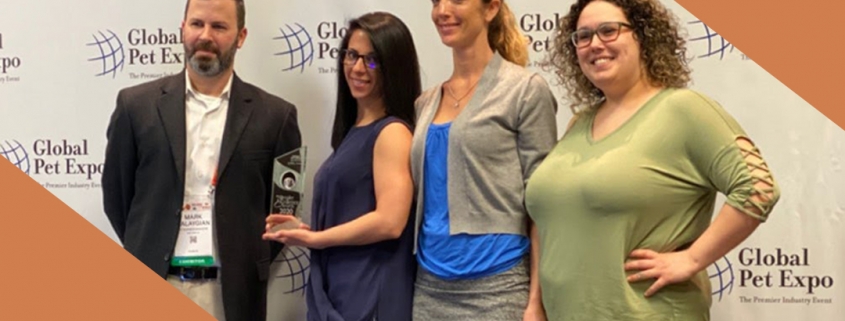
NorthPoint Pets & Company wins “Best Single Store Retailer” at Global Pet Expo 2020 in Cheshire, CT. Congrats!